One day… Or day one. You choose.
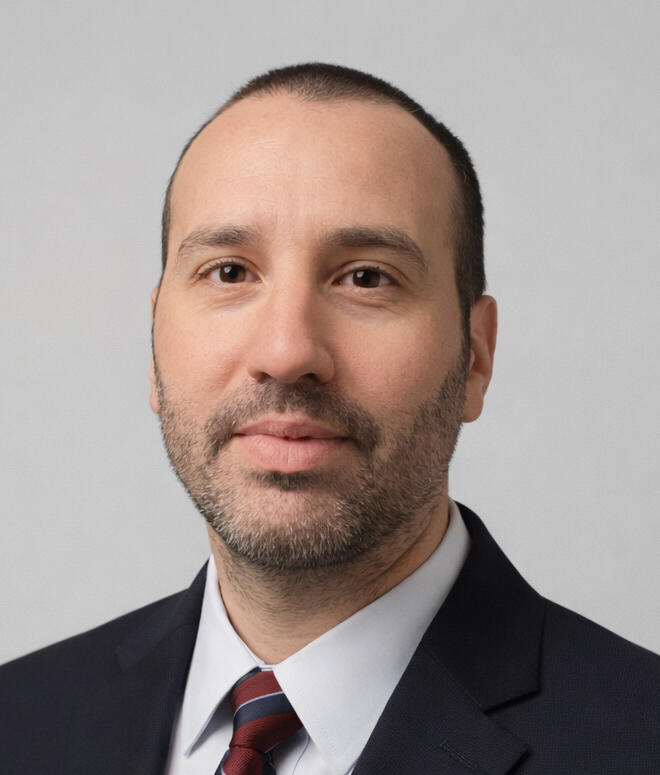
Dr. Wesley Bruce
Dr. Wesley Bruce is a psychotherapist, educator, endurance athlete, and lifelong student of human resilience. His path has been anything but conventional. After leaving high school early, he enlisted in the United States Army during the Global War on Terror, where he developed a firsthand understanding of stress, adversity, discipline, and the psychological demands placed on individuals in high-stakes environments. These formative experiences would later shape both his professional direction and his broader philosophy about what allows people to endure, adapt, and create meaningful change.Following his military service, Dr. Bruce pursued higher education and ultimately earned a doctoral degree, transitioning into a career in mental health. Over the past 15 years, his clinical work and professional study have increasingly focused on trauma, chronic stress, anxiety, emotional dysregulation, and the complex relationship between psychological distress and the body.His approach to psychotherapy extends beyond traditional talk therapy. Dr. Bruce has developed an integrative, mind-body approach that draws from trauma-informed psychotherapy, Brainspotting, Somatic Experiencing and other somatic therapies, yoga therapy, mindfulness, and body-based approaches to emotional processing and regulation. His work recognizes that difficult experiences are not always held or expressed through thoughts and words alone; stress and trauma can also emerge through patterns of physiological activation, disconnection, tension, avoidance, and other embodied responses.Rather than relying on any single therapeutic model, Dr. Bruce works to understand the individual as a whole person. His clinical approach integrates evidence-based psychological practices with somatic awareness, mindfulness, philosophical inquiry, and, when appropriate to the individual, spiritual perspectives. He is particularly interested in the intersection of psychology, philosophy, spirituality, and the enduring human questions surrounding meaning, suffering, identity, responsibility, and purpose.This philosophical and spiritual dimension of his work is not based upon prescribing a particular worldview. Instead, Dr. Bruce believes psychotherapy can provide a space for individuals to examine the beliefs, values, questions, and sources of meaning that shape how they understand themselves and their lives. For some, this may involve spirituality or contemplative practice; for others, philosophy, personal values, relationships, service, or the pursuit of a meaningful life may provide that framework.Across these approaches, his goal is not simply symptom reduction. Dr. Bruce is interested in helping people develop a greater capacity to remain present with difficult internal experiences, understand the relationship between mind and body, reconnect with parts of themselves that may have become disconnected through stress or trauma, and build more flexible and sustainable ways of responding to life's challenges.Outside of his clinical work, Dr. Bruce is deeply engaged in endurance sports, including Ironman triathlons and ultramarathon running. He views endurance training as both a physical and psychological discipline—one that repeatedly encounters many of the same themes present in psychotherapy: discomfort, uncertainty, self-regulation, persistence, adaptation, and the complicated relationship between the mind's perceived limitations and the body's capabilities. His experiences as an endurance athlete continue to inform his interest in resilience, performance, and human potential.Dr. Bruce is also interested in expanding his work beyond traditional psychotherapy through education, consultation, and organizational and program development focused on behavioral health, resilience, and human performance. He brings together experience in military and organizational systems, leadership and education, psychotherapy, and the study of individual and group behavior.At home, he is a husband, father, and dog owner, grounding his professional and personal pursuits in the ordinary realities of family life. These roles remain central to his identity and continually reinforce his understanding that resilience is not simply the capacity to tolerate hardship. It also involves learning how to remain connected—to ourselves, to other people, to our values, and to the parts of life that make the struggle worthwhile.Through his clinical work, teaching, training, and continued study, Dr. Bruce maintains a consistent focus: understanding the relationship between mind, body, meaning, and experience—and helping people not merely endure difficult chapters of their lives, but develop the capacity to adapt, reconnect, and ultimately transform.